
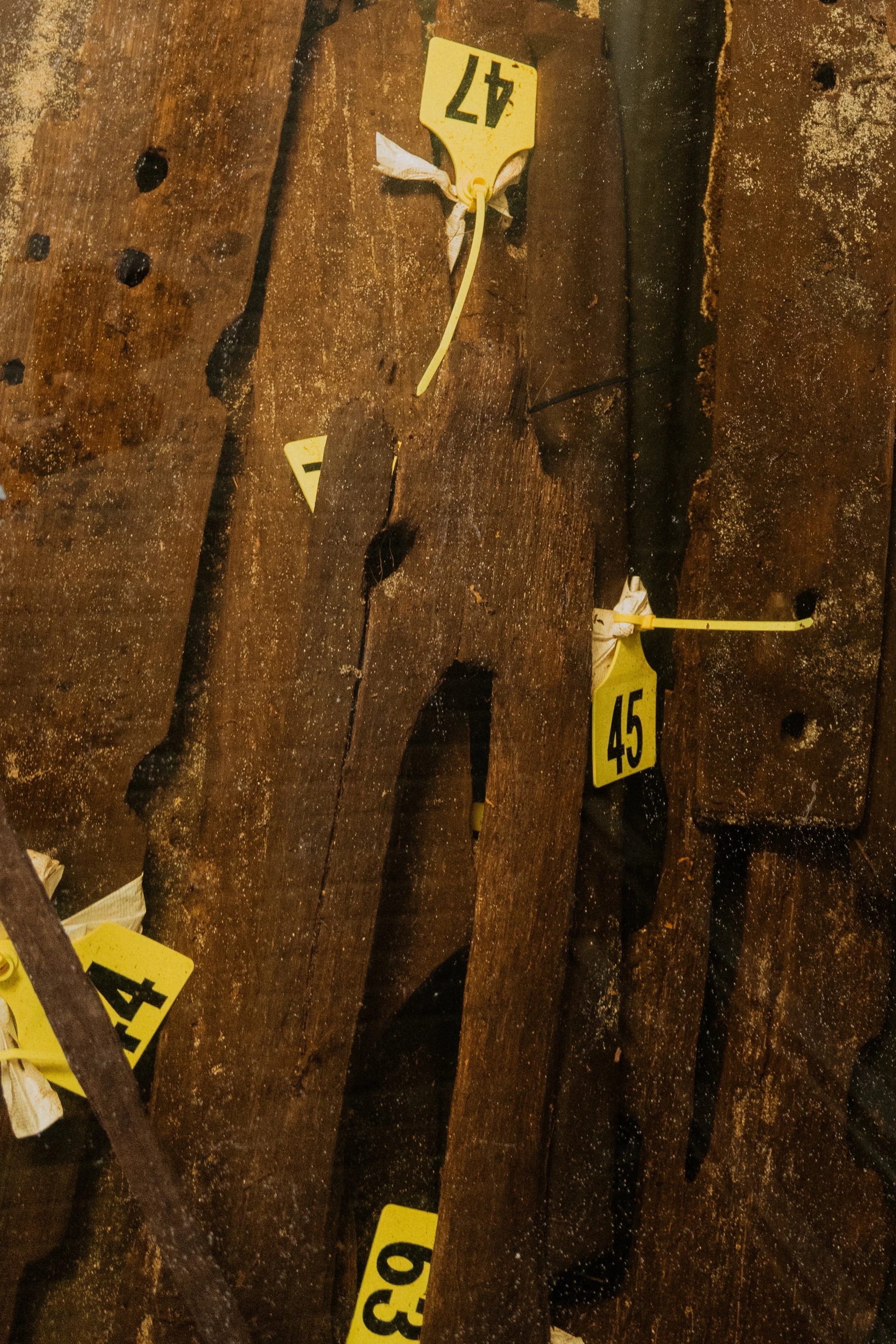
In 2024, the remains of an ancient voyaging waka were discovered at the mouth of the Rangihoua Stream on the northern coast of Rēkohu. More than 750 pieces were recovered during a limited rescue excavation in January and February 2025. A significant part of the waka remains buried at archaeological site CH744.
The Chief Archaeologist of the initial excavation advised that the construction and carving of the waka indicate that it originates from the period of oceanic voyages and is of the highest significance locally, nationally and, potentially, internationally.
For Moriori, the waka is not simply an archaeological find. It is a miheke with its own hokopapa and relationship to the surrounding henu and moana. It is known to Moriori as the Rangihoua Waka. The discovery supports Moriori oral traditions of voyaging, settlement and our enduring relationship with Rēkohu.
Since our earlier narrative was prepared, there have been important developments concerning responsibility for the parts of the waka that remain buried, the ownership proceedings, conservation work and plans for the remaining excavation.
Māori Land Court Decision
On 30 June 2026, the Māori Land Court issued an important decision concerning the parts of the waka that remain buried at site CH744.
Manatū Taonga – Ministry for Culture and Heritage (MCH) have submitted that only the pieces already recovered or physically observed had been “found” under the Protected Objects Act 1975. On that interpretation, its statutory responsibilities would not extend to the parts of the waka that remain buried in the dunes.
Moriori, together with other non-Crown parties, argued that what had been discovered was one waka, rather than a collection of separate pieces, and, therefore, the entire waka had been “found”.
The Court agreed with this position. It determined that the find includes the whole waka, both the pieces already recovered or observed and those that remain buried in the dunes.
As a result, the Chief Executive of MCH has statutory responsibilities for the examination, care, recording and custody of the entire waka.
The Court confirmed that these responsibilities cannot be avoided or delegated to another party. It also rejected the view that ownership must be determined before decisions can be made about further excavation.
This means MCH must consider what action is appropriate to care for and protect the entire waka while the ownership proceeding remains before the Court.
Ownership Proceedings
The actual and traditional ownership of the Rangihoua Waka has not yet been determined.
Moriori Imi Settlement Trust (MIST) and Hokotehi Moriori Trust (HMT) have jointly applied to the Māori Land Court for ownership of the waka miheke to be vested in the applicants as representatives of imi Moriori.
Under the Protected Objects Act, the waka is deemed to be prima facie Crown property while actual and traditional ownership is determined. This is the interim legal position that applies whilst claims to the actual or traditional ownership of newly found taonga tūturu are considered.
It is not a final determination acknowledging that the Crown is the actual or traditional owner of the waka.
The Court has indicated that, given the significance, scale and complexity of the find, there may be good reasons for the ownership determination to await further excavation and conservation advice. However, no final decision has been made about when the ownership application will be heard.
MCH has asked that consideration of ownership await verification of the carbon dating analysis contained in the draft archaeological report, which they expect to be completed by the end of 2026.
MIST and HMT maintain that the Rangihoua Waka could only have belonged to our Moriori karāpuna. It was discovered within an ancestral Moriori cultural landscape, near the place where our traditions record the wrecking of Rangihoua. The interim radiocarbon results place associated materials centuries before European contact and the 1835 arrival of Ngāti Mutunga and Ngāti Tama, while the recovered carvings and construction features reflect distinctive Moriori artistic traditions. Taken together, our oral histories, ancestral occupation and the archaeological evidence provide a compelling basis for our claim that this waka is a Moriori miheke and that ownership should be vested in imi Moriori.
Conservation of the Recovered Pieces
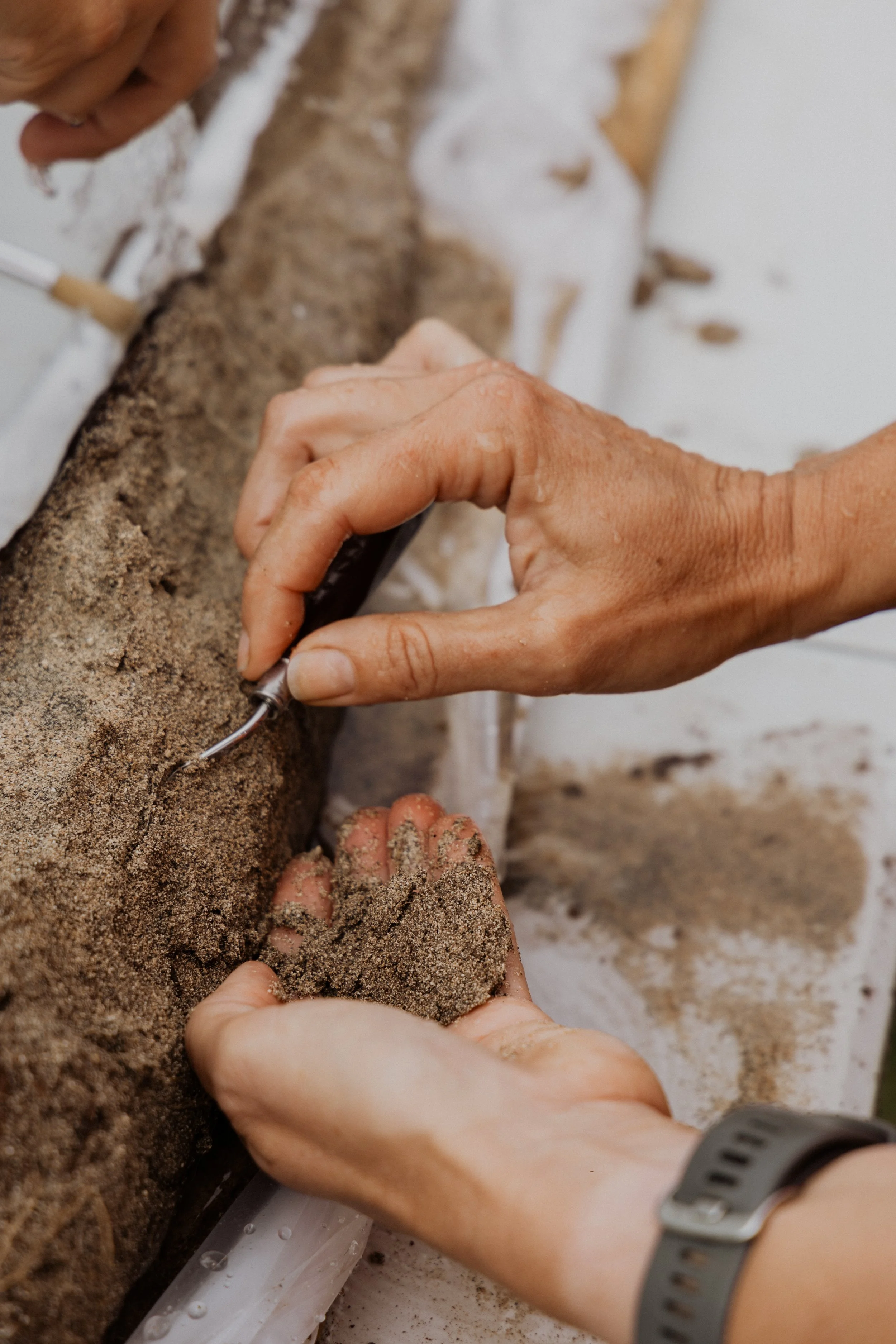
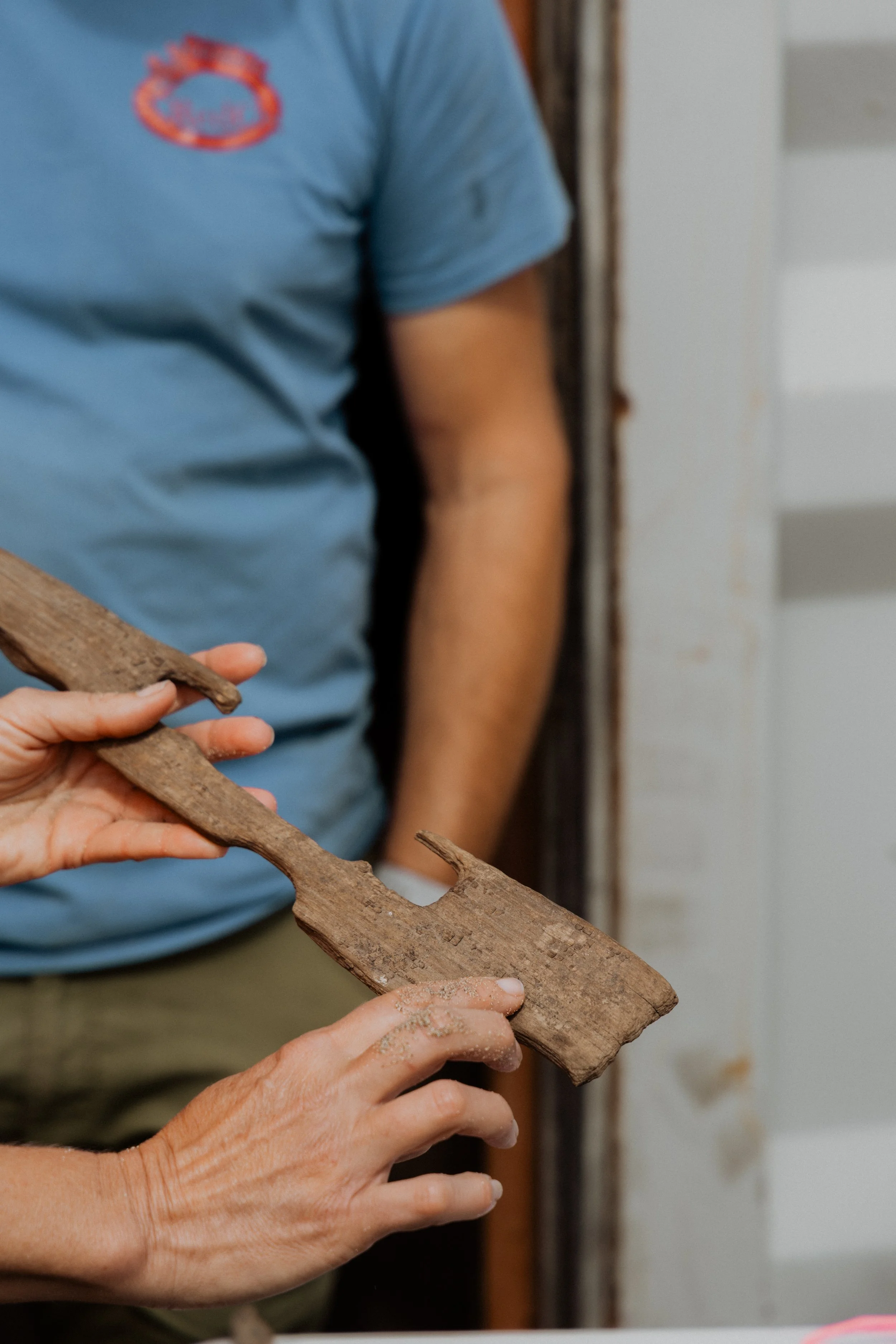
The pieces recovered during the 2025 rescue excavation are currently held in interim conservation storage at Wharekauri Station.
In June 2026, RedOx Cultural Heritage Services was scheduled to work alongside local monitors to undertake condition assessments and trial 3D scanning of selected waka fragments. Moriori have since provided feedback on the forms relating to 3D scanning and are still awaiting a response from MCH.
In the meantime, MCH has advised that a conservation plan has now been approved.
Further planning is required for the facilities needed to care for material recovered during the main excavation. The existing conservation site at Wharekauri may be used to receive and assess newly excavated material before it is moved to a secondary conservation facility.
Decisions about the location, management and operation of these facilities have not yet been finalised. Moriori must be involved in these decisions.
Protection of the Site
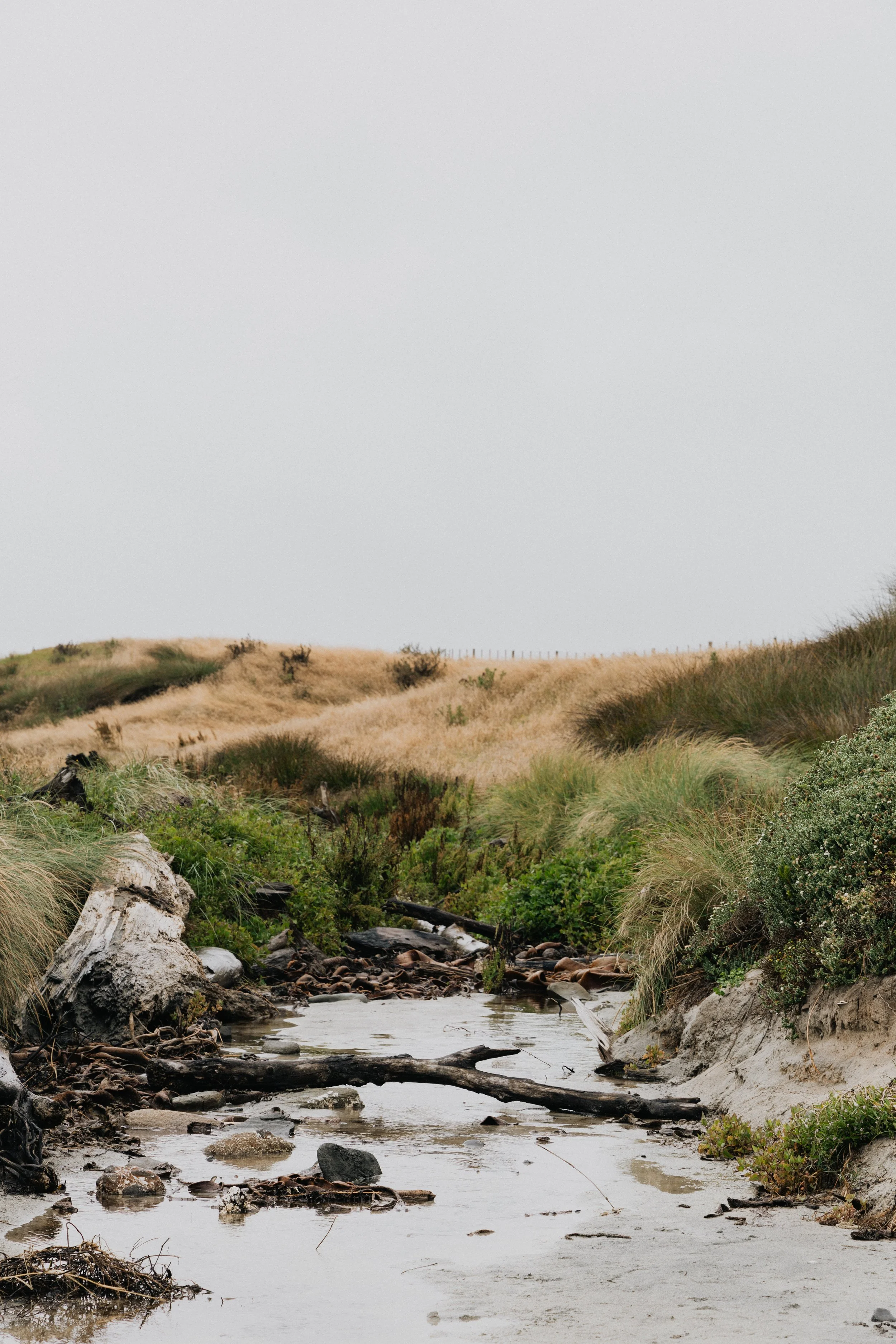
The site remains vulnerable to coastal erosion, storm surges and water moving through the Rangihoua Stream.
DOC and Fulton Hogan were scheduled to begin further monitoring and site protection work at site CH744 from 8 September 2026. This work included the installation of monitoring equipment and measures intended to reduce the risk of further erosion, including the placement of sandbags.
A Moriori cultural monitor was to be present while this work was undertaken. Further work is also being progressed in relation to access to the site and the installation of culverts.
These measures are intended to provide interim protection while the wider excavation and conservation programme is developed.
World Heritage Tentative List
Tch Tatatei Awanui/Scenic Reserve Wharekauri coastal strip has been selected as one of just nine sites on Aotearoa New Zealand’s revised World Heritage Tentative List, announced on 7 October 2026.
This is an exciting milestone for Moriori. The independent Expert Panel recognised the site’s strong potential for future World Heritage status, supported by a compelling narrative reflecting Moriori heritage and Pacific migration.
We thank Susan Thorpe for her work in preparing and submitting the application. DOC will now work with Moriori to refine the site information for submission to UNESCO’s World Heritage Centre, targeted for February 2027.
Proposed Excavation Programme
In a memorandum filed with the Māori Land Court on 28 August 2026, MCH advised that it considers an excavation carried out in stages over several seasons to be the most appropriate approach for the remaining waka.
The proposed excavation would take place over three summer seasons. It would begin during the summer of 2027/28 and conclude during the summer of 2029/30.
The proposed programme remains subject to conservation readiness, regulatory approvals, funding and further technical advice. It is therefore not yet a confirmed or fully funded excavation programme.
The Chief Executive has approved further preparatory and investigative work at site CH744, including an archaeological survey and reassessment of the site.
MCH has also advised that it will investigate conservation readiness on Rēkohu as a priority. This will include consideration of local conservation capacity and capability, risks to the waka, funding requirements and future management needs.
Moriori Involvement
Moriori must have a meaningful role in planning and carrying out every stage of this work. This includes involvement in the selection of archaeological expertise, the design of the excavation programme, cultural monitoring, conservation planning and decisions about where and how the Rangihoua Waka will be cared for.
Moriori have sought clear information from MCH about the scope of the next stage of work, who will lead the project, what funding is available, the proposed timeframes and how Moriori will participate in decision making.
Moriori must also receive archaeological information, scientific data and project reports as it becomes available.
The excavation and conservation of the Rangihoua Waka cannot be treated as a purely technical exercise. The work must be informed by tikane Moriori and recognise the hokopapa and cultural status of the Rangihoua Waka as a Moriori miheke.
What Happens Next
The immediate priorities are to protect the parts of the waka that remain at site CH744 and to continue the conservation and recording of the recovered pieces.
Further archaeological and conservation planning is required before the remaining excavation can begin. This includes confirming the necessary funding, regulatory approvals, conservation facilities and technical expertise.
MIST and HMT will continue to seek meaningful Moriori involvement in all decisions concerning the excavation, handling, conservation, storage, access and interpretation of the waka.
The Trusts will also continue to progress the application for actual and traditional ownership on behalf of Imi Moriori.
The Court’s decision is an important development. It confirms that the waka must be approached and cared for as one complete miheke, including both the pieces already recovered and those that remain buried at Rangihoua.